She called Life Alert on a Tuesday afternoon asking for the watch version.
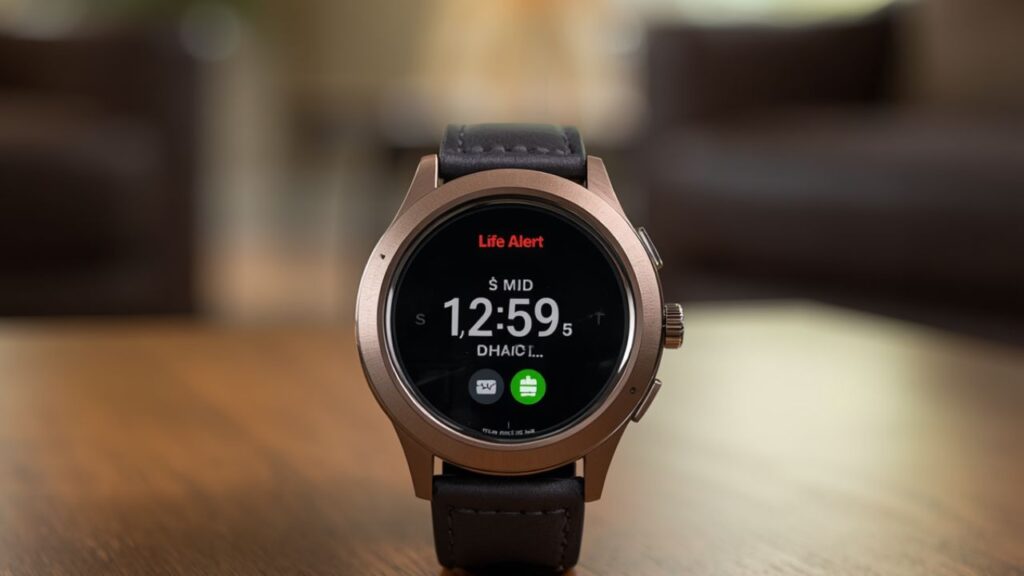
She had seen the commercials for years. Her mother had finally agreed to try something. She wanted the brand her mother already recognised — and she wanted it in a watch format so her mother would actually wear it.
The Life Alert representative told her they did not make a watch.
She was not alone in asking. “Life Alert watch” is one of the most common search terms in the medical alert category — because Life Alert is the brand seniors and caregivers know, and a watch is the form factor they want. The problem is that Life Alert has never made a smartwatch. And even if they did, there are now better options at lower cost with faster response times.
This guide covers what Life Alert actually offers, why their pricing and response times put them at a disadvantage, and the four best life alert watch alternatives available in 2026.
Does Life Alert Make a Watch?
No. Life Alert does not make a smartwatch.
What Life Alert offers is a pendant-style emergency button — the device made famous by the “I’ve fallen and I can’t get up” campaign. Their system includes a home base station, a pendant worn around the neck, and an optional wrist strap that allows the pendant to be worn on the wrist like a watch.
The wrist strap option is not a smartwatch. It has no screen, no GPS display, no health monitoring, and no smartwatch functionality. It is a pendant on a wrist strap — the same device in a different carrying position.
If you searched for a life alert watch expecting a wearable medical alert with a watch face, GPS, and modern smartwatch features, Life Alert cannot provide that. The options that can are covered below.
Why Life Alert May Not Be the Best Choice Anyway
Before moving to alternatives, it is worth being direct about Life Alert’s specifications — because the brand recognition does not match the product value in 2026.
Response time: 120 seconds. The Senior List’s 2026 testing recorded Life Alert’s average response time at 120 seconds — two full minutes from button press to operator connection. Medical Guardian’s average response time in the same testing period was 8 seconds. LifeFone averaged 17 seconds. Two minutes is a long time to be on the floor.
Monthly cost: ~$49.95/mo. Life Alert is the most expensive major medical alert provider in the category. Medical Guardian — faster, with GPS options and smartwatch format — starts at $29.95/mo. Bay Alarm Medical starts at $27.95/mo.
3-year contract required. Life Alert requires a long-term contract as a condition of service. Every other provider in this guide operates on a month-to-month basis — you can cancel at any time without penalty.
No GPS. Life Alert’s standard system does not include GPS tracking. If your parent leaves home, Life Alert cannot show you where they are.
The honest summary: Life Alert’s brand recognition is built on decades of television advertising. Their product has not kept pace with the category. For the same or lower monthly cost, you can get faster response times, GPS tracking, smartwatch format, and no long-term contract from their competitors.
The Best Life Alert Watch Alternatives in 2026
Four devices address what searchers are actually looking for when they search for a life alert watch: a wearable emergency device in watch format, with professional monitoring, GPS, and fall detection. Each covers a different budget and priority.
Medical Guardian MGMove — Best True Life Alert Watch Alternative
Medical Guardian MGMove is the closest product to what most people picture when they search for a life alert watch — a dedicated medical alert smartwatch with a watch face, GPS tracking, automatic fall detection, and direct connection to a professional monitoring centre.
The MGMove has a touchscreen display. It shows the time, battery level, and device status — it looks and functions like a watch, not a pendant. The emergency button is built into the watch face. Two-way voice communication allows the monitoring centre operator to speak directly through the watch speaker, the same way they would through a traditional pendant.
Medical Guardian’s monitoring centres are CSAA Five Diamond certified — the highest industry standard for emergency response. Their 2026 response time of 8 seconds is the fastest in the category. For caregivers who want Life Alert’s reassurance without Life Alert’s response times and contract terms, MGMove is the direct answer.
Device: Included with plan Monthly: $39.95–$49.95 GPS: Yes — built in Fall detection: Yes — automatic Screen: Yes — touchscreen watch face Response time: 8 seconds (The Senior List 2026) Contract: Month-to-month Waterproof: IP67 Year 3 total: ~$1,438–$1,798
Best for: Seniors who want a true smartwatch medical alert. Caregivers who want the fastest monitored response time. Active seniors who need GPS alongside emergency response. The direct Life Alert replacement for anyone who wanted a watch format.
Not for: Seniors on the tightest budget — Bay Alarm and Lively offer lower monthly rates without the smartwatch form factor.
Bay Alarm Medical SOS All-in-One 2 — Best Wristband Life Alert Watch Alternative
Bay Alarm Medical SOS All-in-One 2 is worn on the wrist — closer in form to what Life Alert’s wrist strap option attempts, but with GPS, cellular connectivity, and 24/7 professional monitoring built in.
The Bella Bands accessory transforms the wristband aesthetically — interchangeable band styles mean the device does not have to announce itself as a medical device. For seniors who have refused other wearables because of appearance, Bella Bands directly addresses the resistance without changing what the device does.
The SOS All-in-One 2 operates entirely via cellular — no Wi-Fi, no base station, no home dependency. Your parent can wear it anywhere and the monitoring centre is always reachable.
Device: Included with plan Monthly: $34.95 GPS: Yes — cellular Fall detection: Yes — built in Form factor: Wristband Contract: Month-to-month Waterproof: IP67 Year 3 total: ~$1,258
Best for: Seniors who prefer a wristband to a pendant. Caregivers who want GPS without paying Medical Guardian prices. Seniors who resist medical-looking devices — Bella Bands addresses this directly.
Not for: Seniors who specifically want a watch face with a screen — the SOS All-in-One 2 is a wristband button, not a smartwatch display.
Apple Watch — Best Life Alert Watch for Tech-Savvy Seniors
Apple Watch is the most widely recognised smartwatch in the world — and its fall detection and emergency SOS features make it a genuine life alert watch option for the right population of seniors.
When fall detection triggers and the senior does not respond within 10 seconds, Apple Watch calls 911 and sends a location text to all emergency contacts simultaneously. Family Setup allows a caregiver to configure and manage the watch entirely from their own iPhone without the senior needing a phone.
The critical distinction from dedicated medical alert watches: Apple Watch calls 911 directly. It does not connect to a professional monitoring centre. An operator does not speak with your parent, assess the situation, and contact you before dispatching help. Emergency services are dispatched automatically — you are notified simultaneously but not consulted first.
For low-to-moderate risk seniors in iPhone households who are cognitively intact: Apple Watch is the most cost-effective option over three years. For high-risk seniors or those with dementia who need a monitoring centre to manage the response: Medical Guardian MGMove is the appropriate choice.
Device: From $399 upfront Monthly: ~$10 (cellular plan add-on) GPS: Yes — Find My Fall detection: Yes — calls 911 Monitoring centre: No — 911 direct only Requires: iPhone (caregiver or senior) Year 3 total: ~$609–$689
Best for: Active, cognitively intact seniors already in an iPhone household. Lower-risk seniors who need GPS and fall detection at the lowest three-year total cost. Seniors who want full consumer smartwatch functionality alongside emergency features.
Not for: Dementia — no geofencing, 911-only response, nightly charging required. Seniors without an iPhone in the household. High-risk seniors who need a monitoring centre operator to manage emergency response.
Lively Mobile2 — Best Budget Life Alert Watch Alternative
Lively Mobile2 is available with a wrist strap — worn as a wristband rather than a pendant — making it the most affordable wrist-worn emergency device with professional monitoring and GPS in this guide.
At $24.99/mo plus a one-time $79.99 device fee, Lively’s three-year total of approximately $979 is less than half of Life Alert’s three-year cost. The Lively Urgent Response monitoring centre operates 24/7. Response times are competitive. The Lively Link caregiver app shows location, alert history, and battery level.
Fall detection is available as an add-on. The 4G LTE cellular connection means coverage wherever there is a cellular signal — no home base station dependency.
Device: $79.99 one-time Monthly: $24.99 GPS: Yes — 4G LTE Fall detection: Add-on available Wrist strap: Available Contract: Month-to-month Waterproof: IP67 Year 3 total: ~$979
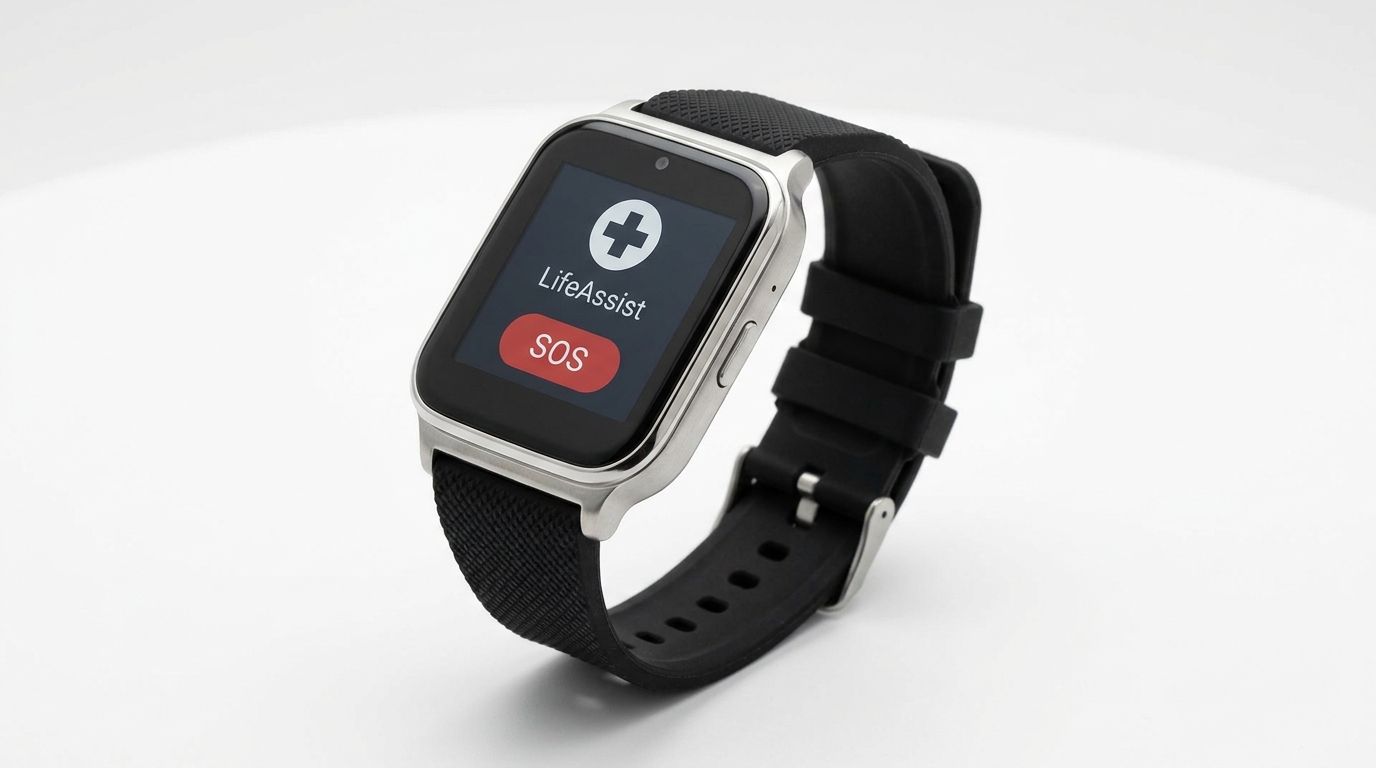
Best for: Budget-conscious caregivers who need GPS with professional monitoring at the lowest three-year total. Seniors comfortable with a pendant or wrist strap format. Families making a long-term commitment who want the lowest ongoing monthly cost.
Life Alert vs The Alternatives — 3-Year Cost Comparison
This is the comparison Life Alert would prefer you did not see.
| Device | Monthly | Contract | Response Time | GPS | Year 3 Total |
|---|---|---|---|---|---|
| Life Alert | ~$49.95 | 3 years required | 120 seconds | No | ~$1,798+ |
| Medical Guardian MGMove | $39.95–$49.95 | Month-to-month | 8 seconds | Yes | ~$1,438–$1,798 |
| Bay Alarm Medical SOS All-in-One 2 | $34.95 | Month-to-month | Fast | Yes | ~$1,258 |
| Apple Watch SE | ~$10/mo + device | Month-to-month | 911 direct | Yes | ~$609–$689 |
| Lively Mobile2 | $24.99 | Month-to-month | Fast | Yes | ~$979 |
Life Alert’s three-year total — including the required contract, activation fee, and monthly monitoring — exceeds every alternative in this guide. It also has the slowest response time of any major provider tested in 2026, and no GPS tracking.
There is no scenario in 2026 where Life Alert is the best value choice for a life alert watch or any medical alert format. The brand recognition is real. The product value is not.
Frequently Asked Questions
Does Life Alert make a watch? No. Life Alert makes a pendant emergency button that can be worn on a wrist strap — but it is not a smartwatch. It has no screen, no GPS, and no smartwatch functionality. If you want a life alert watch with a screen, GPS, and professional monitoring, Medical Guardian MGMove is the appropriate alternative.
What is the best watch-style medical alert system? Medical Guardian MGMove — touchscreen watch face, GPS, automatic fall detection, CSAA Five Diamond monitoring, 8-second response time, month-to-month contract. It is the closest product to what most people picture when they search for a life alert watch.
Is Apple Watch a substitute for Life Alert? For low-risk, cognitively intact seniors in iPhone households: yes, at significantly lower three-year cost. Apple Watch calls 911 directly when fall detection triggers. The critical gap: no professional monitoring centre. An operator does not speak with your parent before emergency services are dispatched. For high-risk seniors or dementia, Apple Watch is not an appropriate Life Alert substitute.
Can a medical alert watch detect falls automatically? Yes — Medical Guardian MGMove and Bay Alarm Medical SOS All-in-One 2 both include automatic fall detection. When a fall is detected and the senior does not respond to a check-in prompt, the system automatically connects to the monitoring centre and escalates to emergency services if needed. Apple Watch also detects falls and calls 911 automatically.
What is the cheapest alternative to a Life Alert watch? Lively Mobile2 at $24.99/mo plus a one-time $79.99 device fee — approximately $979 over three years, compared to Life Alert’s $1,798 or more over the same period. Lively includes GPS, professional monitoring, and an optional wrist strap.
How long does a medical alert watch battery last? Medical Guardian MGMove: 1–2 days. Bay Alarm Medical SOS All-in-One 2: 24–48 hours. Apple Watch: ~18 hours — charge nightly. Lively Mobile2: 24 hours. All require regular charging. MGMove and Bay Alarm charge every 1–2 days — less frequent than Apple Watch’s nightly requirement.
Can I cancel a Life Alert contract early? Life Alert requires a 3-year contract. Early cancellation typically incurs a penalty. Every alternative in this guide operates on a month-to-month basis — cancel at any time with no penalty. This is one of the most significant practical differences between Life Alert and its competitors.
What is the difference between a medical alert watch and a consumer smartwatch? A dedicated medical alert watch (Medical Guardian MGMove, Bay Alarm SOS All-in-One 2) connects to a 24/7 professional monitoring centre when an emergency is detected. An operator speaks with the senior, assesses the situation, and contacts caregivers before dispatching emergency services. A consumer smartwatch (Apple Watch) calls 911 directly — no operator, no caregiver contact before dispatch. Dedicated medical alert watches also include geofencing alerts to caregivers in most plans.
Our Final Recommendation
Best true life alert watch: Medical Guardian MGMove — touchscreen smartwatch format, GPS, fall detection, 8-second response, CSAA Five Diamond monitoring. The product Life Alert searchers are actually looking for.
Best wristband alternative: Bay Alarm Medical SOS All-in-One 2 — GPS, wristband worn device, Bella Bands for aesthetics, professional monitoring, lower monthly rate than MGMove.
Best budget alternative: Lively Mobile2 — lowest three-year total with GPS and professional monitoring, optional wrist strap.
Best for tech-savvy seniors with iPhone: Apple Watch — lowest three-year cost of any option, full smartwatch functionality, fall detection built in, 911 direct response.
Life Alert built its reputation over decades of television advertising. In 2026, that reputation no longer reflects the best available product. A life alert watch — in the sense of a wrist-worn emergency device with GPS, fall detection, and professional monitoring — exists. Life Alert just does not make it.
For an honest breakdown of what Life Alert actually charges per month and why families are switching, see our Life Alert cost guide and Life Alert alternatives comparison.
For a full comparison of watch-format medical alerts, see our guide to the best smart watch for seniors with fall detection. For the best overall medical alert systems at every price point, see our guide to the top rated medical alert systems for seniors.