She had assumed “automatic medication dispenser” meant it would handle all of her mother’s medications.
In This Guide
- Overview
- Comparison
- Best Options
- Our Recommendation
It handled four of the six. The other two — a liquid blood pressure medication and a refrigerated insulin pen — stayed on the kitchen counter. The dispenser was helpful. It was also, quietly, a partial solution. For further reading, see medication adherence research.
Nobody had told her this before she bought it.
An automatic medication dispenser for seniors sounds like a complete solution. In many situations it is. But the word “medication” is broader than the technology can accommodate — and understanding what these devices can and cannot handle prevents a purchase decision built on an inaccurate assumption.
This guide tells you exactly what automatic medication dispensers do, what they do not do, which device is right for your parent’s regimen, and where insurance may cover part of the cost.
What Does “Automatic Medication Dispenser” Actually Mean? — Automatic Medication Dispenser For Seniors
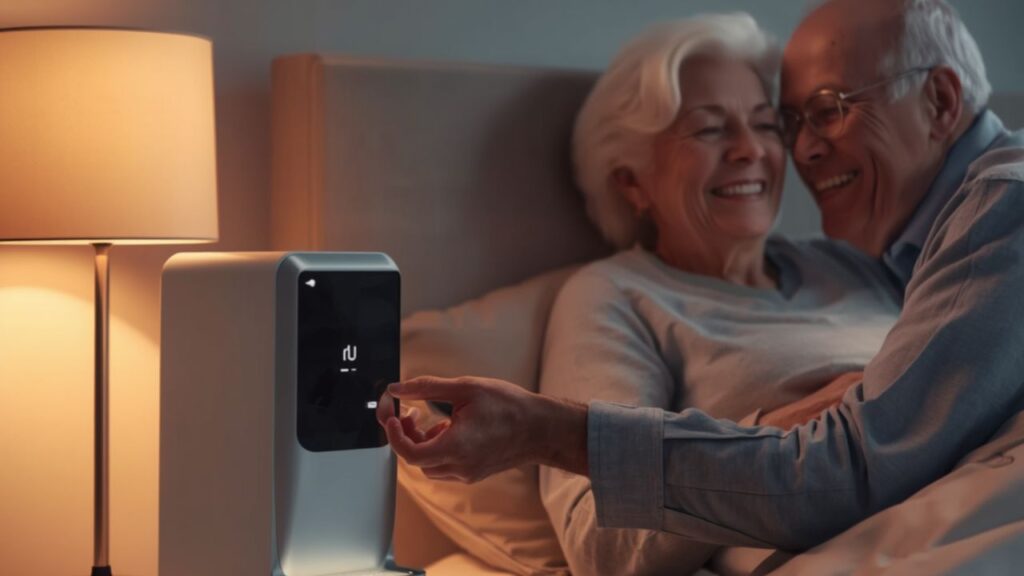
An automatic medication dispenser stores pre-loaded pills and capsules, and releases them at programmed times with an alarm. “Automatic” refers to the dispensing mechanism — it does not require human action to release the dose.
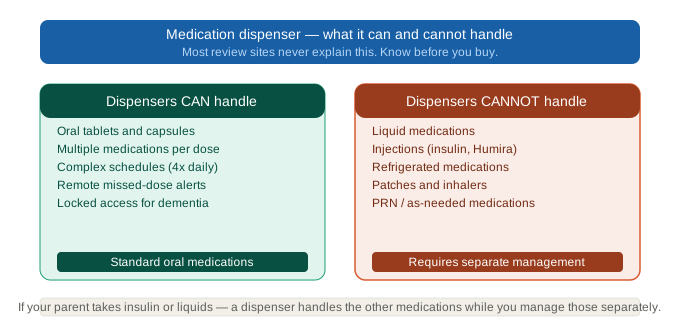
The word “medication” in the product name covers pills and capsules only in almost every device on the market. It does not typically cover:
Liquid medications: No standard automatic dispenser handles liquid medication. Liquids require a separate management system — a timed reminder, a caregiver-administered dose, or a specialised medical dispenser not available in the consumer market.
Injectable medications (insulin, blood thinners): No consumer automatic dispenser handles injectables. These require caregiver administration or a separate injection management system.
Refrigerated medications: Standard dispensers are countertop devices at room temperature. Medications requiring refrigeration cannot be stored in them.
Crushed medications (for seniors with swallowing difficulty): Some medications cannot be crushed (extended release, enteric coated). For those that can, the caregiver typically crushes and administers separately — the dispenser cannot do this automatically.
If your parent’s regimen is entirely pill and capsule based: an automatic medication dispenser handles it fully.
If your parent takes any liquid, injectable, or refrigerated medication: the dispenser is a partial solution. You will still need to manage those medications separately.
This does not make an automatic dispenser less valuable — it makes it accurately understood.
MedMinder Maya — Best Overall Automatic Medication Dispenser ($0–$30 + $35–$49/mo)
MedMinder Maya is the best overall automatic medication dispenser for seniors because it combines the two most important safety features in the category: locked dispensing and caregiver escalation alerts.
Locked dispensing means pills are only accessible at the scheduled dose time. All other compartments are physically locked. For seniors with dementia or any cognitive decline creating overdose risk, this is the essential safety requirement — and it is the feature most commonly absent from the top-recommended device (Hero).
The 28-day capacity means caregivers refill the device monthly rather than weekly — 13 refills per year rather than 52. For a caregiver managing everything else, this operational difference is significant.
The cellular plan eliminates the Wi-Fi dependency that limits Hero’s reliability in rural areas or homes with poor internet.
Device: $0–$30
Monthly: $35–$49
Lock: Yes
Capacity: 28 days
Connectivity: Cellular (no Wi-Fi) or Wi-Fi
Battery backup: 48 hours
Year 3 total: ~$1,290
Best for: Dementia and cognitive decline. Rural homes or poor internet connectivity. Caregivers who need escalating alerts (call + text, not just push notification). Monthly refill cycle preferred over weekly.
Hero — Best for Remote Caregivers with Tech-Comfortable Families ($149 + $36.95/mo)
Hero is the best automatic medication dispenser for remote caregivers whose parent is forgetful but cognitively intact, and whose home has reliable Wi-Fi.
The app is the reason Hero commands this category. The caregiver dashboard shows which doses were taken, which were missed, and when the dispenser needs refilling. Text and email alerts go out when a dose is missed. The interface is clean and intuitive for non-technical caregivers.
Hero’s ~90-pill capacity means the dispenser is typically refilled monthly — comparable to MedMinder’s 28-day cycle for moderate medication loads.
Device: $149–$179
Monthly: $36.95
Lock: Unlocked
Connectivity: Wi-Fi required
Battery backup: 8 hours
Year 3 total: $1,479
Best for: Remote caregivers. Reliable home Wi-Fi. Tech-comfortable family. Parent is forgetful without cognitive decline or overdose risk.
Not for: Dementia (unlocked). Poor Wi-Fi homes. Caregivers without smartphones.
Bliss Meds — Best Value Locked Medication Dispenser ($69–$99, $0/mo)
Bliss Meds is the best value automatic medication dispenser for caregivers who need locked dispensing without an ongoing subscription.
It is a locked, timer-based device. No app, no remote alerts, no Wi-Fi. The correct dose is dispensed at each programmed time. The local alarm sounds. Nothing else happens remotely.
If you visit your parent regularly and do not need remote notification — this is the appropriate choice. Locked dispensing at $99 one-time versus $1,290 over three years for MedMinder is a $1,191 difference. For caregivers who are physically present to verify compliance, the subscription cost is not justified.
Device: $69–$99
Monthly: $0
Lock: Yes
Year 3 total: $99
Pivotell — Best No-Subscription Locked Dispenser ($99–$149, $0/mo)
Pivotell is the best no-subscription alternative for caregivers who need a locked dispenser with a persistent local alarm rather than a single beep.
The rotary mechanism dispenses one compartment at a time. The alarm repeats every few minutes until the dose is taken — more effective for seniors who ignore a single beep. Battery-powered — no AC dependency, no outage vulnerability.
Device: $99–$149
Monthly: $0
Lock: Yes
Year 3 total: $149
What About Non-Pill Medications? The Honest Assessment
This section exists because no competitor guide includes it — and it is the most important information for caregivers whose parent takes a mixed medication regimen.
Liquid medications: No automatic dispenser handles liquids. Best approach: programme a reminder alarm on the dispenser for liquid medication times (if the device allows reminder-only alarms without dispensing), and administer the liquid separately at that alarm.
Injectable medications (insulin, biologics): No consumer automatic dispenser handles injections. These require caregiver administration, a specialised injection timer, or home health aide involvement.
Refrigerated medications: Cannot be stored in room-temperature dispensers. Keep separately in the refrigerator with a separate reminder system (phone alarm, TimerCap on the bottle, or a caregiver call at the scheduled time).
Medications that cannot be combined in one compartment: Some medications interact when stored together. If your parent’s regimen includes medications that cannot share a compartment, you may need separate dispensers for different medication groups or a caregiver-managed system for the incompatible medications.
The practical advice: before purchasing an automatic medication dispenser, list all of your parent’s medications and note which are pills/capsules, which are liquids, which are injectables, and which require refrigeration. The dispenser handles the first category. Everything else requires a parallel management approach.
Refill Reality — The Operational Hidden Cost
Every automatic medication dispenser requires refilling. The frequency determines how much caregiver time the device actually requires beyond the subscription.
7-day dispensers (Bliss Meds, Pivotell): 52 refills per year. At 10–15 minutes per refill: approximately 8–13 hours per year.
28-day dispensers (MedMinder Maya): 13 refills per year. Approximately 2–3 hours per year.
~90-pill dispensers (Hero): Refill frequency varies by medication count. For a parent on 2 medications twice daily (4 pills/day × 30 days = 120 pills/month), Hero needs refilling approximately every 22 days — slightly more often than MedMinder’s 28-day cycle.
The refill cycle is the operational difference that subscription pricing does not capture. A 28-day dispenser saves approximately 39 refill events per year compared to a weekly dispenser. For a caregiver managing distance and time, that is real.
Does Medicare Cover Automatic Medication Dispensers?
The word “medication” in the product name raises the question of clinical coverage — and legitimately so.
Medicare Part B Durable Medical Equipment: Automatic medication dispensers may qualify for DME coverage if prescribed by a physician for management of a chronic condition. Medicare covers 80% of the approved device cost after the deductible. The device must be obtained from a Medicare-enrolled supplier and requires a documented medical necessity.
Medicare Advantage: Some plans include medication management device coverage as a supplemental benefit. Call your parent’s plan member services and ask specifically: “Does my plan cover automatic medication dispensers as a DME benefit?”
FSA/HSA: The device purchase is generally FSA and HSA eligible. Monthly monitoring fees may also qualify — confirm with your FSA/HSA administrator.
Medicaid HCBS waivers: Some states fund automatic medication dispensers for qualifying low-income seniors. Contact your state Medicaid office or the Eldercare Locator for local programme details.
Frequently Asked Questions
Q: What is an automatic medication dispenser for seniors?
A: A device that stores pre-loaded pill medications and releases the correct dose at programmed times with an alarm. Does not typically handle liquid, injectable, or refrigerated medications.
Q: Can an automatic medication dispenser handle liquid medication?
A: No. Standard automatic dispensers are designed for pills and capsules only. Liquid medications must be managed separately with a timed reminder and caregiver administration.
Q: What is the best automatic medication dispenser for seniors?
A: MedMinder Maya for locked dispensing, dementia safety, and cellular connectivity. Hero for remote caregivers whose parent does not have dementia and has reliable Wi-Fi.
Q: How often do I need to refill an automatic medication dispenser?
A: 7-day dispensers: 52 times per year. 28-day dispensers (MedMinder Maya): 13 times per year. Hero: approximately monthly depending on medication load.
Q: Does Medicare cover automatic medication dispensers?
A: Possibly, under Medicare Part B DME coverage if prescribed by a physician. Some Medicare Advantage plans include medication management devices as a supplemental benefit. FSA/HSA reimbursement is generally available for the device cost.
Q: What is the difference between a locked and unlocked medication dispenser?
A: A locked dispenser only releases the scheduled dose — all other pills remain physically inaccessible. An unlocked dispenser releases pills into an open cup accessible at any time. Locked is essential for seniors with dementia or overdose risk.
Q: Can I set up an automatic medication dispenser remotely for a parent in another state?
A: Hero and MedMinder Maya can both be set up and managed remotely by the caregiver via smartphone. The caregiver programmes the medication schedule, updates it remotely, and receives alerts — the parent does not need a smartphone. MedMinder’s cellular plan means connectivity does not depend on the parent’s home Wi-Fi.
Q: Can an automatic medication dispenser handle pills, liquids, and injections?
A: Pills and capsules only. No consumer automatic medication dispenser currently handles liquid medications, injectable medications, or refrigerated medications. If your parent’s regimen includes any of these, the automatic dispenser handles the pill portion of the regimen while the remaining medications require separate management.
Q: What happens if my parent needs a medication that cannot go in the dispenser?
A: Manage it separately using a timed phone alarm, a caregiver call at the scheduled time, or a specialised reminder system for the non-pill medication. The automatic dispenser handles pills; you handle everything else. This is a real limitation that should be factored into the decision — the dispenser is a partial solution for mixed-format medication regimens.
Q: Is there an automatic medication dispenser that works for someone on 12 or more medications a day?
A: For very high medication loads (12+ pills across multiple daily doses), confirm compartment capacity with the specific manufacturer before purchasing. MedMinder Maya’s 28 compartments (7 days × 4 doses) can hold multiple pills per compartment but has a physical capacity limit per slot. Hero holds approximately 90 pills total. For extremely complex regimens, a pharmacist-packed blister pack system may be more practical than a consumer automatic dispenser.
Q: Does an automatic medication dispenser work for someone with both pills and a patch medication?
A: The dispenser handles pills. Transdermal patches (nicotine, pain, hormone) cannot go in the dispenser — they require a separate reminder system for application and removal. Programme a separate phone alarm or use a caregiver reminder log for patch change schedules.
Our Final Recommendation
If your parent takes only pill and capsule medications with no cognitive decline: Hero is a strong choice for remote caregiving. Hero Health
If your parent has dementia or any double-dosing risk: MedMinder Maya — locked, cellular, 28-day refill cycle. MedMinder Maya
If budget is the primary constraint and you visit regularly: Bliss Meds at $99 one-time. Bliss Meds
Before buying: list every medication your parent takes and identify which are pills, which are liquid, which are injectable, and which require refrigeration. The dispenser handles pills. For everything else, build a parallel management system before the dispenser arrives.
Check Medicare Advantage coverage and FSA/HSA eligibility. The device cost may be partially or fully covered.