She had done her research. She read the reviews, compared the monthly fees, and ordered what every list called the best option.
It arrived on a Thursday. Her mother wore it for five days.
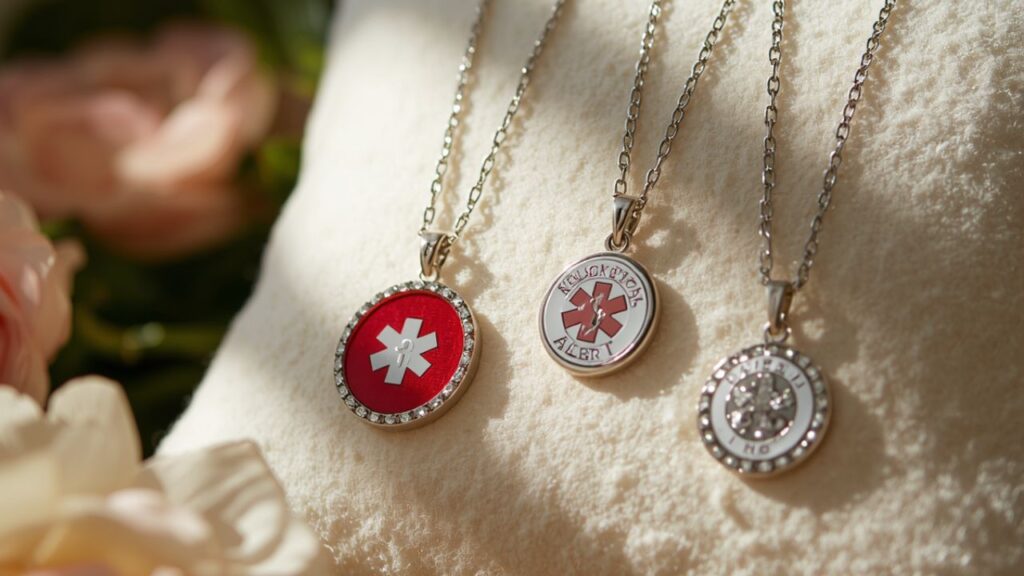
On the sixth day it was in the kitchen drawer. Her mother said it made her look like a patient. She said the cord was uncomfortable. She said she did not need it.
Three months later, her mother fell in the shower.
The necklace was still in the drawer.
Choosing medical alert necklaces is not just a product decision — it is a people decision. The best device on paper is worthless if your parent refuses to wear it. And before you get to the wearing problem, there are three safety checks most caregivers skip entirely that determine whether the necklace is actually safe once it is on.
This guide covers all of it: what to check before you buy, how to choose for a resistant parent, the five best medical alert necklaces in 2026, and the two situations where a necklace is the wrong choice entirely.
Medical Alert Necklace vs Medical ID Jewellery — What Is the Difference?
Before anything else: medical alert necklaces and medical ID jewellery are different products serving entirely different purposes. This confusion leads to wrong purchases more often than any other mistake in this category.
A medical alert necklace is an active emergency response device. It has a button. When pressed — or when fall detection triggers automatically — it connects to a 24/7 professional monitoring centre. An operator speaks with your parent through the device, assesses the situation, contacts you, and dispatches emergency services if needed. It is a live safety system worn around the neck.
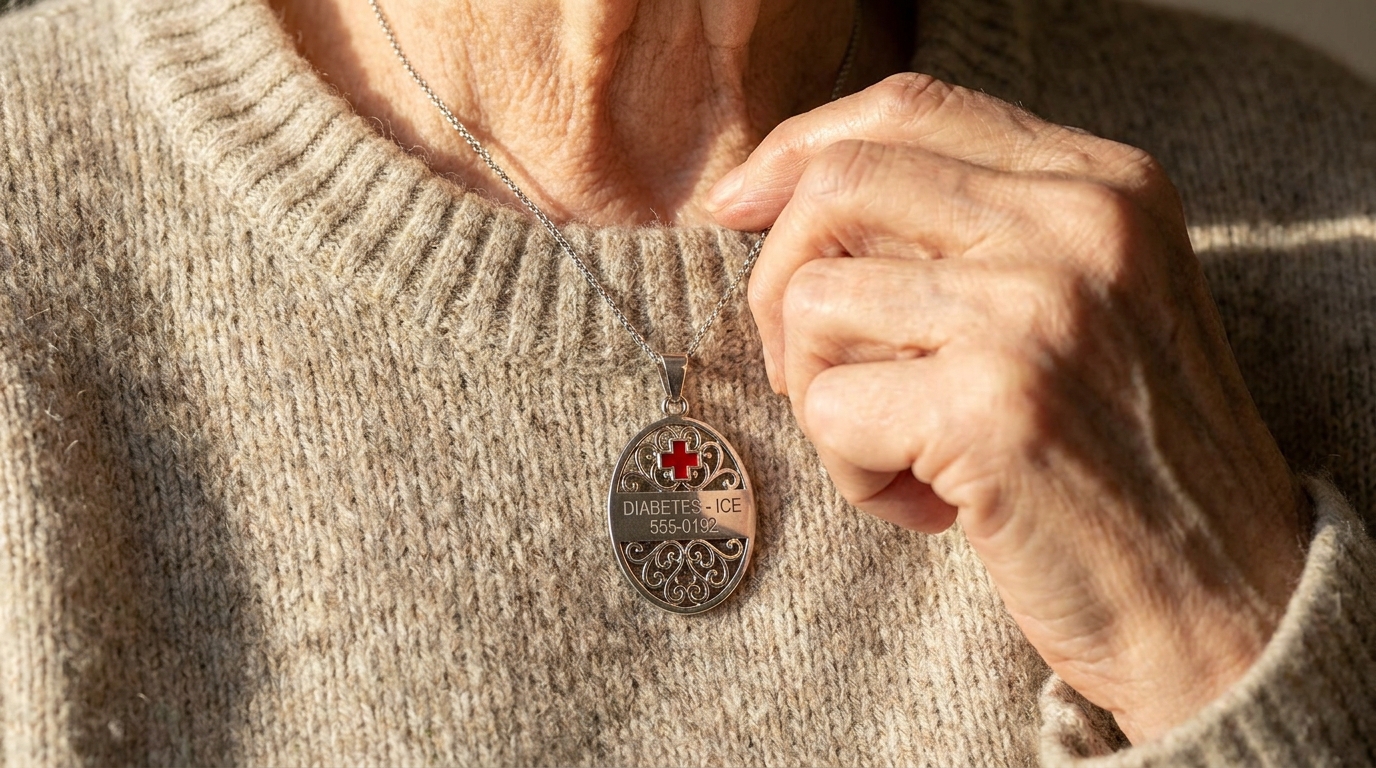
A medical ID necklace is engraved jewellery. It lists your parent’s medical conditions, allergies, medications, and blood type. It is passive information — worn for the benefit of paramedics and emergency responders who may treat an unconscious person. It does not call anyone, track anything, or respond to emergencies in real time.
If you are searching for medical alert necklaces expecting a device that calls for help, you want the active emergency response device — not engraved jewellery. Every product in this guide is the active emergency device.
Pendant vs Wristband — Which Is Right for Your Parent?
Both are wearable medical alert devices, and the form factor difference matters more than most guides acknowledge. Choose a pendant if your parent falls and needs to reach the button from the floor (a pendant hangs at chest level, reachable with one hand even lying down, while a wristband requires arm movement a fallen senior may not be able to perform), if they are already comfortable wearing necklaces, or if they will wear it more consistently as a familiar habit. Choose a wristband instead if any cord or necklace feels uncomfortable, if they have a history of cords catching on objects (though a breakaway cord addresses this directly, see below), or if they have dementia and may pull at or remove a necklace, since a wristband is harder to remove in many cases. The cord question is the most common reason caregivers hesitate on pendants, and it is answered by one specification: the cord type.
3 Things to Check Before You Buy Medical Alert Necklaces
Most caregiver buying guides go straight to product rankings. These three checks come first — because they determine whether the necklace is safe and functional before brand comparison matters.
1. Breakaway Cord vs Fixed Cord
This is the safety specification that never gets enough attention in medical alert necklaces reviews.
A fixed cord does not release under tension. If the cord catches on a walker frame, bed rail, wheelchair arm, or door handle, it pulls against the throat. For a senior with limited balance, a cord that catches can itself cause or worsen a fall.
A breakaway cord — also called a magnetic clasp — releases under tension rather than holding. If the cord catches on anything, it separates cleanly. The pendant falls away. No choking risk, no pull injury.
Which brands include breakaway cords as standard:
- Bay Alarm Medical: Breakaway — standard on all plans
- LifeFone: Breakaway — standard on all plans
- Medical Guardian Classic: Fixed cord
- MobileHelp Classic: Fixed cord
If your parent uses a walker, rollator, or sleeps with bed rails: a breakaway cord is a required safety feature, not an optional upgrade.
2. Waterproof Rating — IP67 Is the Minimum
The bathroom is the highest-risk room in the house for senior falls. Medical alert necklaces that cannot be worn in the shower is one of the medical alert necklaces that is not being worn during the most dangerous part of the day.
“Water-resistant” means it survives splashes. It is not shower-safe. IP67 means waterproof to 1 metre depth for 30 minutes — fully shower-safe. IP68 is the highest rating, suitable for full immersion.
Every device in this guide is rated IP67 or higher. If you are comparing any device not in this guide, confirm the specific IP rating before purchasing. “Water-resistant” is not good enough.
3. Button Size for Arthritis
The emergency button is the core function of medical alert necklaces. If your parent cannot press it reliably due to arthritis, reduced hand strength, or tremor, the device fails at its primary purpose regardless of every other specification.
Look for: a large, raised button with a textured surface that can be located by touch. Medical Guardian MGMini and Bay Alarm Medical both have wide, raised buttons designed for easy pressing. Ask providers specifically about button activation force if your parent has significant hand weakness.
How Small Can a Medical Alert Necklace Be?
Size is a specification most buying guides skip, and it is one of the most direct predictors of whether a reluctant senior will actually wear the device. Medical Guardian MGMini is the smallest pendant in the consumer category, approximately the size of a large shirt button, and can be worn as a necklace, carried in a pocket, or placed in a purse, seniors who have refused every other pendant on aesthetic grounds frequently accept the MGMini because it simply does not look like a medical device. Bay Alarm Medical’s SOS pendant is mid-size, larger than the MGMini but lighter than older-generation pendants, with the Bella Charms add-on transforming its visual regardless of size. LifeFone’s pendant has a similar mid-size, slim profile, and MobileHelp Classic’s pendant is standard size, larger than the MGMini and Bay Alarm but still comfortable for most seniors. The general rule: smaller pendants are more likely to be worn consistently by reluctant seniors. If your parent has refused pendants in the past due to size or appearance, start with the MGMini or Bay Alarm with Bella Charms before concluding that necklaces will not work.
Will Your Parent Actually Wear It? — The Refusal Problem
This is the question no product specification answers — and it is the most important factor in whether medical alert necklaces actually protect your parent.
Seniors resist wearable medical devices for two reasons: appearance and habit. Both are solvable.
The appearance problem:
A clinical-looking white pendant on a cord signals “I am old and fragile” to a senior who still thinks of themselves as independent. Bay Alarm Medical’s Bella Charms add-on addresses this directly — a decorative clip-on charm that transforms the alert pendant into something that resembles jewellery. Medical Guardian’s MGMini is small enough to tuck under a blouse or be mistaken for a fitness tracker at conversational distance.
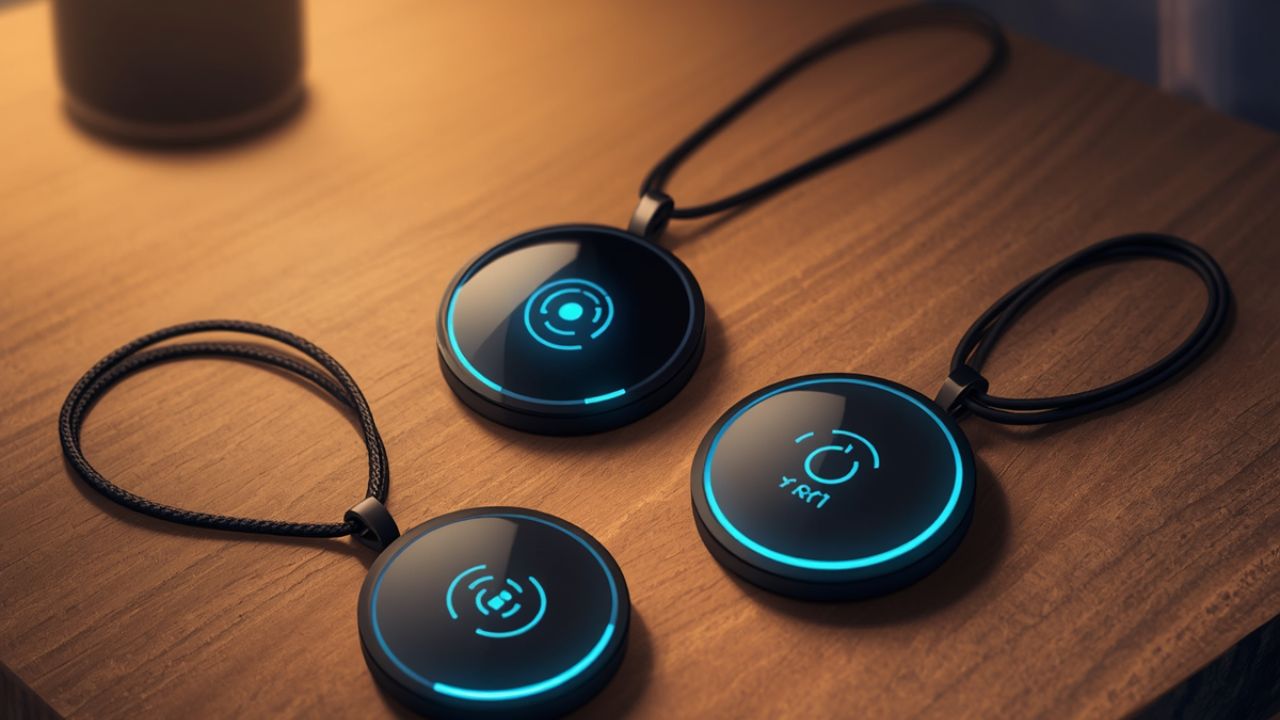
Neither solution requires the senior to accept that they are wearing a medical device. They are wearing something that looks like an accessory or a small personal item — and happens to call for help if something goes wrong.
The habit problem:
Introduce the necklace as a communication tool rather than a safety device. “This connects you to help if you need it” lands better than “this is for if you fall.” Agree to a 30-day trial — month-to-month contracts on every device in this guide make this straightforward. Test the button together during setup so the device becomes familiar rather than abstract.
If your parent’s GP recommends the device directly, resistance drops significantly. A clinical recommendation carries authority that adult children rarely have in safety conversations.
Bay Alarm Medical SOS Mobile — Best Overall Medical Alert Necklace
Bay Alarm Medical is the best overall choice among medical alert necklaces for seniors — combining the Bella Charms style solution, breakaway cord safety, professional monitoring, and the most affordable fall detection add-on in the category.
The Senior List’s 2026 testing ranked Bay Alarm Medical first for affordability and comfort — the two specifications that determine long-term wearing compliance more than any feature list. The pendant can be worn as a lanyard necklace or a wristband, giving your parent the option that suits them without requiring a different device.
The SOS Mobile plan extends coverage beyond the home via cellular GPS — your parent is protected at the shops, at the doctor, and on a walk, not just in the house.
Monthly: $27.95–$34.95 Device: Included GPS: Yes — SOS Mobile plan Fall detection: $6/mo add-on — lowest in category Cord: Breakaway — standard Waterproof: IP67 Contract: Month-to-month Year 3 total: ~$1,006–$1,258
Best for: Seniors who have refused other medical alert necklaces for aesthetic reasons — Bella Charms is the most direct solution. Caregivers who need breakaway cord safety as standard. The best starting point for any caregiver choosing medical alert necklaces for the first time.
Not for: Seniors with moderate-severe dementia — see the dementia section below.
Medical Guardian MGMini — Best Medical Alert Necklace for Active Seniors
Medical Guardian MGMini is the smallest medical alert necklace in the consumer category — GPS tracking, automatic fall detection, and emergency response combined in a device small enough to be mistaken for a fitness tracker.
Three wearing options make it the most flexible device in this guide: worn as a necklace, carried in a pocket, or placed in a purse. For seniors who will not wear anything around their neck, the pocket and purse options maintain full GPS and fall detection functionality. The pendant form becomes optional.
SafeWise’s 2026 testing named the MGMini the best stylish option in the category. The CSAA Five Diamond monitoring centre certification is the highest industry standard for emergency response — and Medical Guardian’s 8-second average response time is the fastest in the category per The Senior List’s 2026 testing.
Monthly: $29.95–$44.95 Device: Included GPS: Yes — built in Fall detection: Yes — built in Cord: Standard (pocket/purse carry available) Waterproof: IP67 Contract: Month-to-month Year 3 total: ~$1,078–$1,618
Best for: Active seniors who leave home regularly and need GPS alongside emergency response. Seniors who refuse pendants — the pocket carry option removes the wearing requirement. Caregivers who prioritise the fastest response time and highest monitoring certification.
Lively Mobile2 — Best Value Medical Alert Necklace
Lively Mobile2 is the best value GPS-enabled option among medical alert necklaces — $24.99/mo with a one-time $79.99 device fee, for a three-year total lower than every GPS-capable competitor in this guide.
The Lively Link caregiver app shows real-time location, alert history, and battery level — giving remote caregivers visibility without requiring their parent to report in. The Lively Urgent Response monitoring centre operates 24/7. Fall detection is available as an add-on.
The 4G LTE cellular connection means coverage works wherever there is a cellular signal — indoors, outdoors, and away from home entirely.
Monthly: $24.99 Device: $79.99 one-time GPS: Yes — 4G LTE Fall detection: Add-on available Waterproof: IP67 Contract: Month-to-month Year 3 total: ~$979
Best for: Budget-conscious caregivers making a long-term commitment. GPS tracking needed at the lowest three-year total. Families who want a caregiver app with location history without paying Medical Guardian prices.
MobileHelp Classic — Most Affordable Medical Alert Necklace
MobileHelp Classic is the most affordable monitored option among medical alert necklaces with no device fee — $25.95/mo, free equipment, no activation fee, no long-term contract.
The in-home range extends to 1,400 ft — the widest coverage of any device in this guide, covering two-storey properties and homes with extensive gardens entirely. For seniors who primarily stay at home, MobileHelp delivers professional monitoring at the lowest available ongoing cost.
Monthly: $25.95 Device: Free GPS: No — in-home only Fall detection: Add-on available Waterproof: IP67 Contract: Month-to-month Year 3 total: ~$934
Best for: Seniors who stay at home. The lowest monthly cost for professional monitoring among medical alert necklaces with no upfront device expense. Large homes where in-home range matters.
Not for: Active seniors who leave home — no GPS means no outdoor tracking.
LifeFone — Best Rated Medical Alert Necklace
LifeFone holds a 4.7-star customer rating — the highest verified rating of any provider in the medical alert necklaces category — driven by customer service quality and the breakaway cord included as standard on every pendant.
The battery life is a practical differentiator that matters more than most caregivers realise: LifeFone pendants regularly achieve 7 or more days between charges. A pendant that needs charging once a week is significantly more likely to be worn consistently than one that needs charging every day. A drained pendant left on the charger is a pendant that is not protecting anyone.
Monthly: $24.95–$29.95 Device: Included GPS: Yes — higher-tier plan Fall detection: $5/mo add-on Cord: Breakaway — standard Battery: 7+ days Waterproof: IP67 Contract: Month-to-month Year 3 total: ~$898–$1,078
Best for: Caregivers who prioritise verified customer satisfaction. Seniors who use walkers or bed rails and need a breakaway cord as standard. Long battery life needed to reduce daily charging friction.
3-Year Cost Comparison — Medical Alert Necklaces
| Device | Monthly | Device Fee | Year 3 Total | GPS | Breakaway Cord |
|---|---|---|---|---|---|
| LifeFone | $24.95–$29.95 | $0 | ~$898–$1,078 | Yes (higher plan) | Yes |
| Lively Mobile2 | $24.99 | $79.99 | ~$979 | Yes | No |
| MobileHelp Classic | $25.95 | $0 | ~$934 | No | No |
| Bay Alarm Medical | $27.95–$34.95 | $0 | ~$1,006–$1,258 | Yes | Yes |
| Medical Guardian MGMini | $29.95–$44.95 | $0 | ~$1,078–$1,618 | Yes | No (pocket option) |
NOT for Dementia — When Medical Alert Necklaces Are the Wrong Choice
This section is the most important for caregivers of parents with moderate to severe dementia — and it is the section most caregiver guides omit entirely.
Medical alert necklaces are not safe for seniors with moderate to severe dementia for three reasons:
First, a dementia parent may pull at, remove, or mouth the pendant — creating a choking risk from both the device and the cord.
Second, a dementia parent may press the emergency button repeatedly without understanding what they are doing — generating false alarms that erode the monitoring centre’s response confidence.
Third, a dementia parent who falls may be unable to respond to the monitoring centre operator’s check-in — which triggers an automatic emergency services dispatch, which may or may not be appropriate for the situation.
For mild dementia where the senior retains basic understanding: a medical alert necklace with automatic fall detection may still be appropriate, particularly if the fall detection reduces dependence on the button.
For moderate to severe dementia: the appropriate alternatives are a wristband device (harder to remove than a pendant), wall-mounted buttons at key locations throughout the home, or a GPS clip-on tracker worn on clothing. Bay Alarm Medical’s SOS All-in-One 2 wristband is the recommended wearable alternative — worn on the wrist, harder to remove, fall detection included.
Shower and Nighttime Wear — When to Wear It and When to Use a Wall Button
Shower wear:
Every medical alert necklace in this guide is rated IP67 — fully waterproof for shower use. Your parent should wear it in the shower. The bathroom is the highest-risk room in the house for falls and removing the pendant before showering creates the exact vulnerability the device is meant to prevent.
If your parent habitually removes jewellery before showering regardless of instruction, a wall-mounted emergency button inside the shower cubicle is the practical solution. Bay Alarm Medical, Medical Guardian, LifeFone, and MobileHelp all offer compatible wall buttons as add-on accessories.
Nighttime wear:
Most falls happen at night going to the bathroom. The pendant should be worn overnight.
If your parent removes the necklace at bedtime out of habit: place the wall button beside the bed as a backup. If they fall reaching for the light or getting up in the night, the wall button beside the bed provides coverage even when the pendant is on the nightstand.
The ideal configuration for most seniors: wear the pendant during all waking hours and in the shower, keep a wall button by the bed for overnight backup.
Frequently Asked Questions
What is the difference between a medical alert necklace and medical ID jewellery? A medical alert necklace is an active emergency response device — press the button, reach a monitoring centre. A medical ID necklace is engraved jewellery listing conditions and allergies for paramedics to read. Different products, different purpose. If you want something that calls for help, you need a medical alert necklace.
Are medical alert necklaces waterproof? All five devices in this guide are rated IP67 — shower-safe and waterproof to 1 metre depth. Always confirm the IP rating before purchasing any device not in this guide. “Water-resistant” is not shower-safe.
What is a breakaway cord on a medical alert necklace? A breakaway cord releases under tension rather than holding firm. If it catches on a walker, bed rail, or door handle, it separates rather than pulling against the throat. Bay Alarm Medical and LifeFone include breakaway cords as standard. Essential for seniors who use mobility aids.
Can seniors wear a medical alert necklace to bed? Yes — and they should. Most falls happen at night. The pendant should be worn overnight. If your parent removes it at bedtime by habit, add a wall-mounted button by the bed as overnight backup coverage.
How do I get my parent to wear their medical alert necklace? Frame it as a communication tool rather than a medical device. Choose the right form factor — Bay Alarm’s Bella Charms or the MGMini’s small profile address aesthetic resistance directly. Agree to a 30-day trial. Involve their GP — a physician recommendation carries more authority than a caregiver’s concern. Press the button together during setup so the device feels familiar.
Does Medicare cover medical alert necklaces? Standard Medicare (Parts A and B) does not cover medical alert devices. Some Medicare Advantage plans include personal emergency response systems (PERS) as a supplemental benefit. FSA and HSA funds can generally be used for the device purchase. Some state Medicaid programmes cover PERS devices under Home and Community-Based Services waivers for qualifying low-income seniors.
Which medical alert necklace has the best fall detection? Medical Guardian MGMini includes automatic fall detection built in. Bay Alarm Medical and LifeFone offer fall detection as a monthly add-on. For a full comparison of fall detection performance, see our guide to medical alert systems with fall detection.
What is the cheapest medical alert necklace with professional monitoring? LifeFone At-Home at $24.95/mo with no device fee is the lowest monthly rate for a monitored pendant in this guide. MobileHelp Classic at $25.95/mo has a free device and the widest in-home range. Both include 24/7 professional monitoring on month-to-month contracts.
Our Final Recommendation
Best overall medical alert necklace: Bay Alarm Medical SOS Mobile — Bella Charms for style, breakaway cord standard, fall detection at the lowest add-on rate, GPS, month-to-month. The best starting point for any caregiver choosing medical alert necklaces for the first time.
Best for active seniors: Medical Guardian MGMini — smallest pendant, GPS built in, pocket carry option, 8-second response, CSAA Five Diamond monitoring.
Best value: Lively Mobile2 — GPS at $24.99/mo, lowest three-year total for a GPS-enabled necklace.
Most affordable: MobileHelp Classic — free device, $25.95/mo, 1,400 ft in-home range, no contract.
Best rated: LifeFone — 4.7 stars, breakaway cord standard, 7-day battery, highest customer service rating.
The right medical alert necklace is the one your parent will wear every day — in the shower, overnight, and everywhere they go. Size, aesthetics, cord type, and battery life are not secondary specifications. They are the specifications that determine whether the device stays on the body or ends up in a drawer.
For a full breakdown of Life Alert pricing versus these more affordable alternatives, see our Life Alert cost guide. For seniors who need GPS fall detection beyond the home, see our guide to the best medical alert systems with fall detection. For seniors who have rejected every necklace form factor, see our guide to the best smart watch for seniors with fall detection.